About
More than 20 years supporting children, families, and schools.
Dr. Pamela Brown is a clinical and school psychologist with more than 20 years of experience working with children, adolescents, adults, couples, families, and schools.
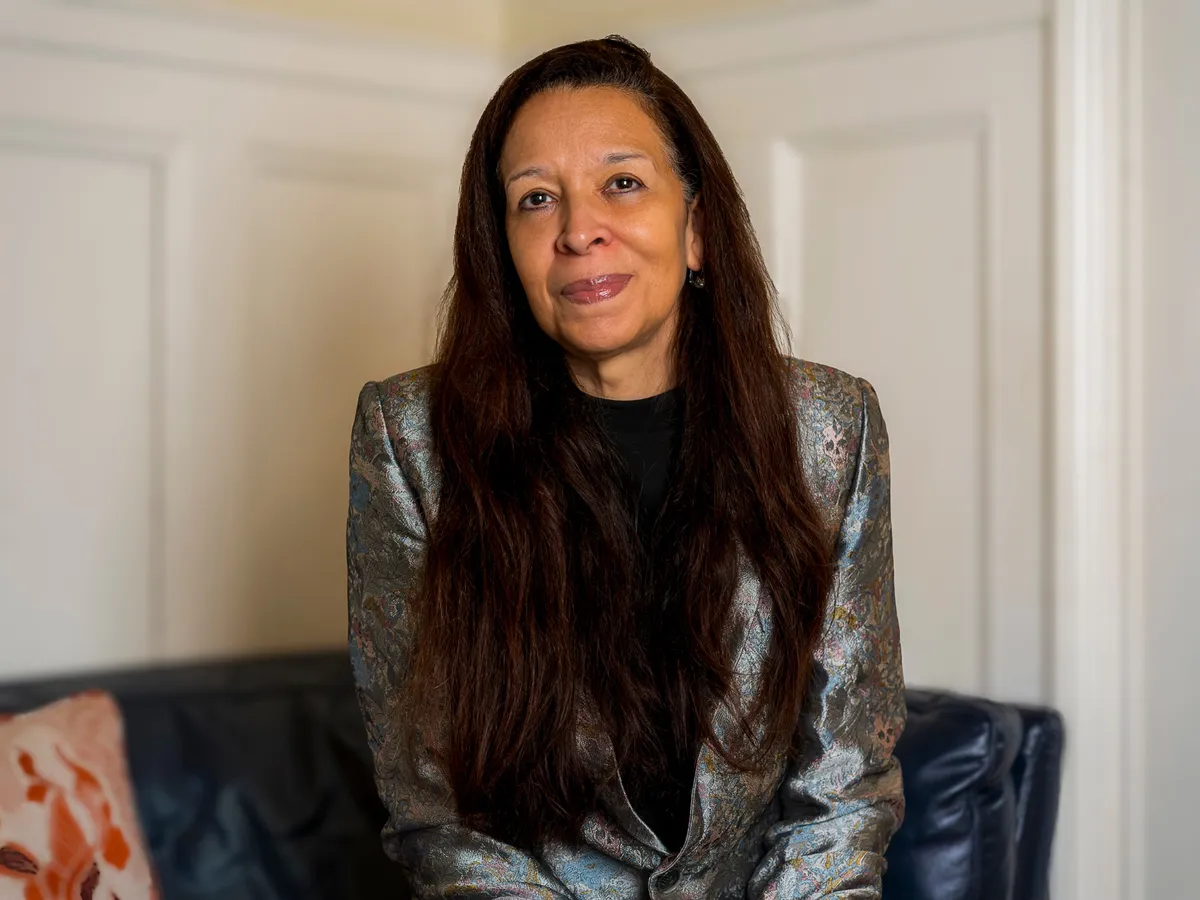
Dr. Brown is the Lower School Psychologist at Trinity School, one of the oldest and most prestigious independent schools in the country. She has spent nearly two decades working within private and independent school settings, helping students, parents, teachers, and administrators navigate the academic, social, emotional, and behavioral challenges — both predictable and less predictable — that can arise throughout childhood and adolescence.
Prior to her work in independent schools, Dr. Brown worked for the School District of Philadelphia in an administrative capacity, training principals and assistant principals and providing crisis response and triage services to schools and students. She has published and presented on a variety of topics related to child development, mental health, and school dynamics.
For 15 years, she was a consultant to the Philadelphia Eagles and clinical coordinator of their Rookie Success Program. She also maintains a private practice serving children, adolescents, adults, couples, and families.
Dr. Brown writes a monthly blog for Psychology Today primarily for parents, sharing insights drawn from years of working with students, teachers, administrators, and families in school settings. Her posts explore both common and less predictable situations that can arise from Pre-K through 12th grade, and how caregivers might best respond to them. Teachers and school professionals may also find the articles useful to share with families.
Now in its third year with more than 100,000 views, her writing combines clinical insight with a pragmatic, down-to-earth style that helps make complex school dynamics more accessible. Her work focuses on helping parents understand not only what schools do, but how and why they do it, and how parents may need to respond.
Philosophy
Helping people better understand themselves, their relationships, and the experiences that affect their lives.
Therapy is ultimately about helping people better understand themselves, their relationships, and the patterns that shape how they think, feel, and experience the world around them.
People often seek therapy during periods of stress, uncertainty, conflict, or transition. Feeling understood, respected, and able to speak honestly matters, and a strong therapeutic relationship is an important part of the process.
My approach is collaborative, reflective, and practical. I bring more than two decades of experience working with children, adolescents, adults, couples, and families across clinical, school, and consulting settings.
Some people come to therapy seeking support during a difficult period of life. Others want help understanding longstanding patterns, improving relationships, managing stress or anxiety, navigating parenting challenges, or thinking more clearly about decisions and transitions. At times, people are simply looking for an experienced, impartial sounding board or unbiased listener who can help them gain perspective on situations that feel difficult, confusing, or emotionally overwhelming.
Whatever brings someone to therapy, I try to approach the work with curiosity, respect, and an appreciation for the complexity of people's lived experiences.

Credentials
- PhD in Clinical Psychology
- Licensed in NY, NJ & PA
- Certified School Psychologist
- Monthly Contributor, Psychology Today
My Approach
I became a therapist because I believe in the human capacity to change, while also recognizing how difficult that process can be, even when someone genuinely wants things in their life to be different.
Part of therapy is not simply helping people gain insight, but helping them persist through the discomfort, uncertainty, and effort that change often requires.
My hope is that people leave therapy with a greater understanding of themselves, their relationships, and the patterns affecting their lives — feeling better able to navigate challenges, make thoughtful decisions, and work toward their desired change.
My Orientation
My orientation is primarily Cognitive Behavioral (CBT), informed by a family systems perspective.
CBT can help people recognize patterns of thinking that contribute to stress, anxiety, conflict, self-doubt, or emotional distress. Developing the ability to view situations with greater balance and perspective often allows people to respond with greater flexibility and effectiveness.
A systems approach considers people within the larger contexts of their lives and relationships, recognizing how individuals both affect and are affected by the environments around them. In work with children and families, understanding the dynamics within a family system can help identify multiple points for support and intervention.